Logistics News
China–Europe Rail Freight in 2026: Volumes Climb as Shippers Look for Middle-Speed Options
China–Europe rail kept growing through 2026: record train numbers in Q1, demand surges when sea lanes wobble, and average transits near 23 days.
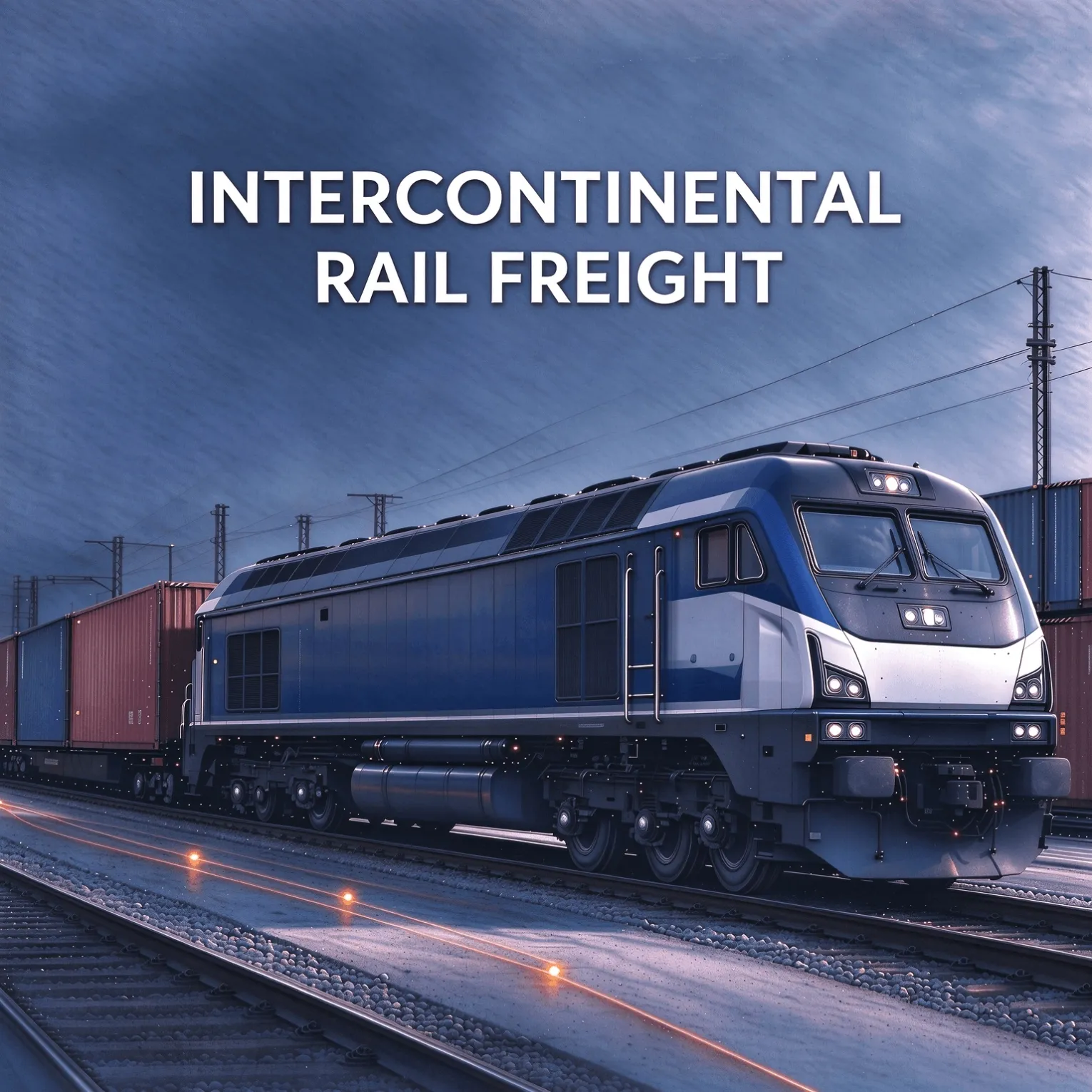
Between the speed of air freight and the cost of ocean freight sits a question every China–Europe shipper asks: is rail worth it? Through 2026, the numbers give an increasingly confident answer. Official data show the China–Europe rail service not only kept its post-2023 momentum but accelerated, with demand surging precisely in the months when ocean shipping became harder to plan around.
What the Official Numbers Show
In the first two months of 2026, 3,501 freight trains ran on China–Europe routes carrying 352,000 TEU — a roughly 25% year-on-year increase in train trips, according to China State Railway Group figures reported through official channels. The first quarter as a whole reached 5,460 train trips and 546,000 containers. Industry trackers also noted a 32% surge in rail freight during the period when the Iran conflict disrupted ocean shipping lanes — with total corridor cargo around 2.1 million TEU, down 1.3% — a clear sign that shippers treat rail as the plan-B that actually works.
Average corridor transit time held near 23.4 days across 25 routes, with Malaszewicze remaining the key gateway — for many European destinations, that is two to three weeks faster than ocean, at a fraction of air freight cost.
Why Rail Demand Behaves Like This
Rail's role in the market is easiest to describe as middle-speed: when ocean schedules are reliable, rail competes mainly on cost-per-speed for electronics, machinery, and e-commerce restocking; when ocean routes face disruption — Red Sea re-routings, port congestion, alliance reshuffles — rail absorbs the overflow within weeks. The 2026 pattern, with strong double-digit train growth and demand spikes during the maritime disruption, fits that role exactly.
Market analysts see the segment continuing to expand: Mordor Intelligence projects the China–Europe rail freight market at USD 18.34 billion in 2026, with further growth ahead.
Practical Takeaways for Shippers
Plan rail as a standing option, not an emergency measure: capacity on popular routes needs booking lead time, and the 23-day average transit leaves room to plan inventory cycles. Watch the gateway situation — Malaszewicze congestion has historically been the corridor's bottleneck, so routing advice matters. And compare total door-to-door cost: rail's advantage narrows if destination legs are inefficient, which is why trucking connections at both ends deserve as much attention as the train itself.
Rail from China with SUBD
SUBD Logistics offers intercontinental rail freight as part of a full multi-channel lineup — ocean, air, rail, road, and express — with Shenzhen warehousing for consolidation before departure and customs documentation support along the way. If your cargo moves China to Europe, send us the volume, weight, and destination; we will quote rail against ocean and air so you can decide with real numbers, not slogans.