Logistics News
Container Alliances in 2026: What the New Shipping Networks Mean for Your Cargo
The 2M alliance is gone and the map has been redrawn: Gemini Cooperation, Ocean Alliance, Premier Alliance, and an independent MSC. What importers should watch.
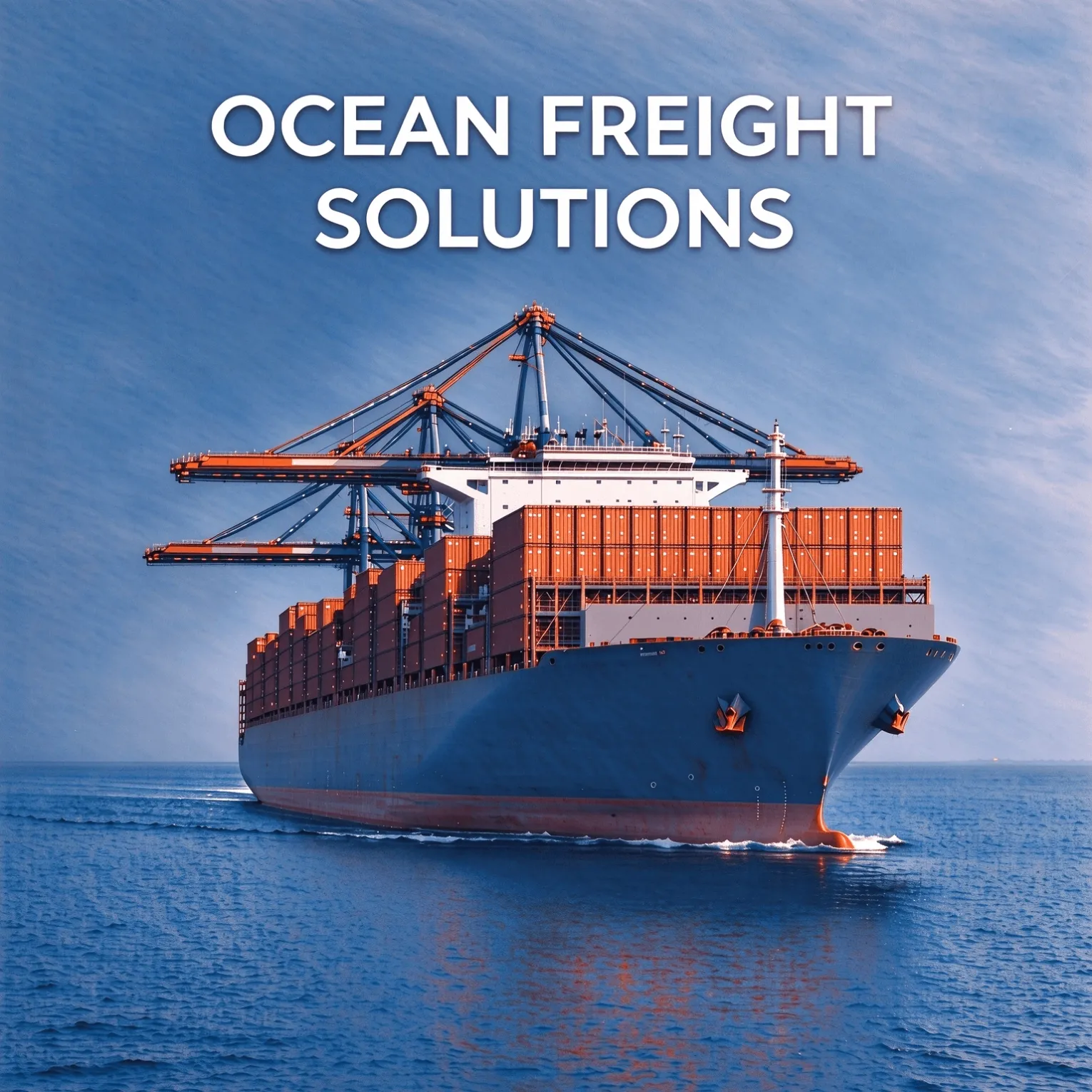
If your cargo moves on ocean freight, the name on the vessel matters less than the network behind it — and that network has been redrawn. Since the Maersk–MSC partnership known as the 2M Alliance ended in early 2025, the world's container lines have reorganized into new groupings that shape sailings, port rotations, and schedule reliability on the major East–West trades. Here is where the networks stand as of late 2026, and what it means if you ship from China.
The New Map: Four Players Instead of Three
Following the 2M wind-down, industry analyses describe four main groupings on the East–West trades. Gemini Cooperation pairs Maersk with Hapag-Lloyd and runs a hub-and-spoke network built around schedule reliability, holding roughly a fifth of global capacity. Ocean Alliance — CMA CGM, COSCO, and Evergreen — remains the largest grouping at around 29-32% of global TEU capacity. The Premier Alliance of ONE, HMM, and Yang Ming effectively took over 2M's role in some trades, with slot-exchange arrangements involving MSC on certain services. MSC now sails independently as the world's largest carrier.
Together, the three alliances still account for over 80% of container capacity on the major trades, and reports through 2026 point to deepening cooperation between ONE, HMM, and Yang Ming — consolidation pressure has not gone away.
For shippers, an alliance reshuffle is not trivia: it decides which services exist, which ports get direct calls, and how quickly schedules recover after disruption.
What Changes for Importers Shipping from China
Three practical effects are worth planning around. First, service structures: Gemini's hub-and-spoke design concentrates calls on hub ports, so some port pairs gain frequency while others rely on feeder connections — check whether your destination port keeps a direct service. Second, schedule reliability: networks built around hub terminals promise tighter schedules, but a single hub disruption spreads more widely. Third, booking flexibility: with carriers regrouping, space and equipment can move between services seasonally, which is one more reason fixed 'published' rates age quickly.
How to Reduce the Risk to Your Supply Chain
The importers who handle these changes best do three things. They book with routing advice rather than brand habit — asking which service actually calls their destination port this month. They keep lead-time buffers during network transitions and peak season, because repositioning vessels and rotations take weeks to settle. And they keep a backup mode in the plan: air freight for urgent top-ups, or for China–Europe cargo, rail freight as a mid-speed alternative when ocean schedules wobble.
How SUBD Helps You Navigate It
SUBD Logistics books ocean freight from Chinese ports across carrier networks serving the United States, Europe, Mexico, Australia, the Middle East, and beyond. We track which services are actually running — and when the sea leg gets uncertain, we plan around it: our services span ocean, air, rail, road, and international express, plus warehousing in Shenzhen to hold and release cargo on your schedule.
Shipping from China this quarter? Send us your route and cargo details, and we will recommend a routing that reflects the current networks — not last year's map.